






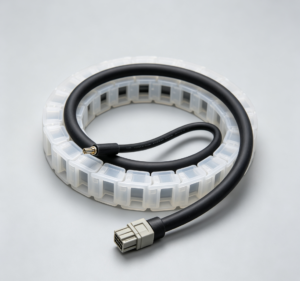
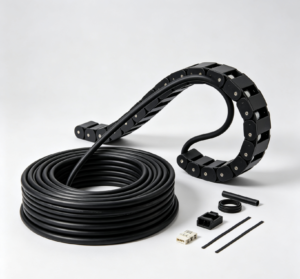
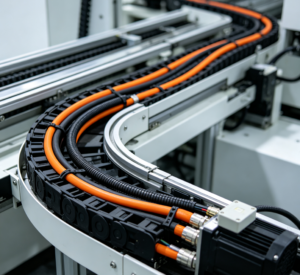
Промышленные силиконовые кабели для цепных конвейеров | Гибкие кабели для станков с ЧПУ и систем управления движением
Техническое руководство — Подбор кабелей для тяговых цепей, предназначенных для систем ЧПУ и управления движением
Почему кабели в цепях привода выходят из строя иначе, чем все остальные кабели на станке
Кабель, проложенный в распределительном шкафу, выходит из строя из-за износа, перегрева или разовой ошибки при монтаже. Кабель, проложенный в цепи переноса, выходит из строя из-за повторение — одно и то же сгибание, тысячи раз в день, миллионы раз за весь срок службы. Это меняет то, что действительно имеет значение в технических характеристиках. Диапазон рабочих температур и класс напряжения по-прежнему актуальны, но они редко становятся причиной преждевременного выхода из строя кабеля для тяговой цепи. Практически всегда преждевременный отказ связан с одной из пяти переменных, не имеющих никакого отношения к основным показателям, указанным в техническом паспорте.
Эта страница построена с учетом этих пяти параметров, поскольку их правильный подбор имеет большее значение, чем любой отдельный технический показатель.
Пять факторов, которые фактически определяют срок службы
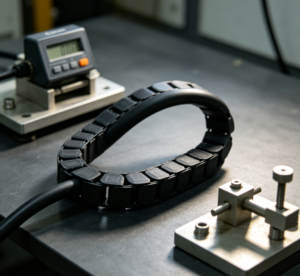
1. Радиус изгиба следует определять с учетом фактической конструкции цепи, а не только исходя из минимального номинального значения троса Минимальный радиус изгиба кабеля (обычно 7,5× внешний диаметр для кабелей, рассчитанных на использование в цепях буксировки, по сравнению с 6× для стационарной прокладки) является минимальным требованием, а не целевым показателем. Прокладка кабеля с соблюдением абсолютного минимального радиуса изгиба в цепи, которая к тому же скручивается или имеет неравномерный износ звеньев, значительно сокращает срок службы по сравнению с выбором цепи на один размер больше, что позволяет с запасом превышать минимальный радиус.
2. Коэффициент заполнения внутри цепи Слишком плотное заполнение цепи (как правило, при заполнении выше ~70–75%) приводит к тому, что тросы скрепляются друг с другом при изгибе, создавая точки износа от трения, которые не учитываются при статическом расчете радиуса изгиба. Недостаточная заправка приводит к неполному использованию рабочего объёма цепи, но редко вызывает поломку; перезаправка является более распространённой и более опасной ошибкой.
3. Структура скрутки проводника — это единственный и самый важный скрытый фактор, отличающий “гибкие” кабели от кабелей, “предназначенных для использования в цепях буксировки” Во многих кабелях, позиционируемых как “гибкие”, используется многожильный проводник, подходящий для эпизодического изгиба или сгибания при монтаже, но не имеющий ультратонкой веревочной скрутки, необходимой для выдерживания миллионов циклов непрерывного возвратно-поступательного движения. Именно в этом заключается разница, которая не отражена в технических характеристиках по напряжению или температуре, но является наиболее распространённой причиной того, что кабель, позиционируемый как “гибкий”, выходит из строя при эксплуатации в цепях транспортировки гораздо раньше, чем ожидалось.
4. Крутильная нагрузка (при наличии) Чистое возвратно-поступательное перемещение и перемещение в сочетании с скручиванием (характерное для некоторых многоосевых портальных систем) представляют собой разные задачи с точки зрения усталостной прочности. Кабель, рассчитанный на чистое возвратно-поступательное перемещение в цепной канавке, не всегда подходит для комбинированной нагрузки, включающей изгиб и скручивание — это необходимо указывать отдельно, если в условиях эксплуатации присутствует какой-либо вращательный компонент.
5. Стойкость корпуса к истиранию в местах соприкосновения с цепью Даже при правильном коэффициенте заполнения износ оболочки в местах соприкосновения «кабель-кабель» или «кабель-стенка цепи» накапливается в течение миллионов циклов. В данном случае износостойкость материала оболочки имеет большее значение, чем в случае кабеля, который изгибается лишь изредка в фиксированной точке.
Где можно использовать этот кабель
Следует использовать силиконовый кабель, рассчитанный на работу в цепи тяги, в следующих случаях:
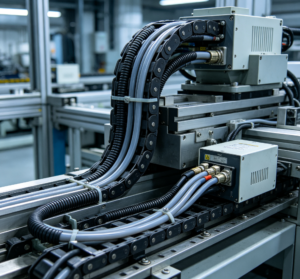
- кабель проходит через кабелепровод/тяговую цепь, совершающую непрерывное возвратно-поступательное движение (перемещение осей с ЧПУ, портальные системы, шаттлы автоматизированных систем хранения и поиска)
- Кроме того, данное применение требует термостойкости, превышающей возможности стандартных кабелей для цепей тяги из полиуретана (PUR) или поливинилхлорида (PVC) (вблизи шпиндельных двигателей, в условиях высоких температур на производстве)
Стандартный кабель для цепи тяги из полиуретана (PUR) может оказаться более подходящим и экономичным вариантом в следующих случаях:
- температура окружающей среды находится в умеренном диапазоне (в пределах практического диапазона применения ПУР), и термостойкость не является определяющим фактором — в диапазонах температур, где оба материала применимы, ПУР, как правило, обеспечивает лучшую износостойкость основы в пересчете на доллар, чем силикон
- В данном случае речь идет о чистом возвратно-поступательном перемещении без комбинированной тепловой нагрузки
Силикон оправдывает своё применение именно в тех случаях, когда одновременное перемещение цепи и повышенная температура окружающей среды или вблизи двигателя сочетаются друг с другом — а не только при работе, связанной с перемещением цепи.
Строительство
| Элемент | Технические характеристики |
|---|---|
| Дирижёр | Оцинкованная медь с ультратонким волокном, канатная скрутка, класс 6 по стандарту IEC 60228 |
| Изоляция | Силиконовый каучук |
| Куртка | Силиконовый каучук, износостойкая смесь |
| Диапазон количества ядер | 2–24 (доступны варианты с индивидуальным количеством элементов и комбинированные сборки для питания и передачи сигнала) |
| Диапазон поперечных сечений | 0,14 мм² – 6 мм² |
| Номинальное напряжение | 300/500 В – 450/750 В в зависимости от сечения |
| Диапазон рабочих температур | от -60 °C до +200 °C в соответствии с DIN EN 50305 |
| Минимальный радиус изгиба (при использовании в цепи тяги) | 7,5 × внешний диаметр (расчетное значение должно превышать это значение, а не равняться ему) |
| Номинальное количество циклов изгиба | Непрерывная работа в режиме возвратно-поступательного движения — необходимо подтвердить заданные параметры цикла с учетом конкретного радиуса изгиба и длины хода для данной установки |
Силиконовый кабель для цепных конвейеров по сравнению со стандартным кабелем из полиуретана для цепных конвейеров
| Решающий фактор | Силикон | Стандартный полиуретан (PUR) |
|---|---|---|
| Длительное воздействие высокой температуры вблизи двигателей/шпинделей | Уровень стабильно превышает практический предел PUR | При постоянной температуре выше ~80–90 °C разлагается быстрее |
| Базовая стойкость к истиранию (умеренная температура) | Хорошо | В целом более выгодно с точки зрения соотношения цены и качества в среднем ценовом диапазоне |
| Гибкость при низких температурах окружающей среды | Сохраняет гибкость даже при температурах значительно ниже нуля | При низких температурах становится жестким |
| Стоимость | Выше | Ниже |
| Оптимальный вариант | Зоны высокой температуры в сочетании с цепным приводом | Универсальное цепное перемещение, умеренный температурный режим |
Сценарий разработки конструкции цепи: подробное рассмотрение
Регулярно повторяющаяся ситуация, которую стоит описать в общем плане, а не конкретный подтвержденный проект: на кабеле оси Z станка с ЧПУ, проложенном через компактную цепь защиты, расположенную рядом с корпусом двигателя шпинделя, появились трещины в оболочке примерно на треть от расчетного срока службы кабеля. Расследование в подобных случаях обычно указывает на одну из двух причин: либо радиус изгиба цепи был близок к абсолютному минимуму для кабеля, а не значительно превышал его, либо тепловое воздействие вблизи шпинделя превышало номинальные параметры оригинальной (нетермостойкой) оболочки кабеля. Более эффективным диагностическим шагом является проверка фактического радиуса изгиба цепи и температуры корпуса двигателя перед выбором кабеля с другими характеристиками, а не предположение, что первый кабель был просто бракованным.
Часто задаваемые вопросы
Кабель в нашей цепи тяги вышел из строя задолго до истечения его расчетного срока службы — значит ли это, что кабель бракованный? Не обязательно. Преждевременный выход из строя чаще всего связан с радиусом изгиба, близким к абсолютному минимуму, предусмотренному для троса, перегрузкой цепи или непредвиденным воздействием высоких температур, чем с производственным дефектом. Первым этапом диагностики является проверка фактического радиуса изгиба и коэффициента заполнения цепи в сравнении с номинальными характеристиками троса.
Подходит ли любой “гибкий” силиконовый кабель для использования в цепях тяги? Нет. Гибкость, необходимая для периодических изгибов, и стойкость к усталостным нагрузкам при работе в цепях буксировки — это разные технические требования. Для работы в цепях буксировки требуется кабель с проводами, изготовленными методом сверхтонкого веревочного скручивания, специально рассчитанный на миллионы циклов непрерывных изгибов — кабель с тонкожильными проводниками, созданный для обеспечения общей гибкости, не всегда соответствует этим требованиям.
Требуется ли для нашего применения силиконовый кабель, или подойдет стандартный кабель из полиуретана (PUR) для цепей перетяжки? Если температура окружающей среды и в непосредственной близости от двигателя остается в пределах допустимого диапазона для полиуретана (PUR), стандартный кабель для цепных конвейеров из полиуретана зачастую является более выгодным выбором. Силикон оправдывает свою более высокую стоимость именно в тех случаях, когда ход цепи и длительное воздействие повышенной температуры происходят одновременно.
Наша ось портального крана не только перемещается, но и слегка поворачивается — влияет ли это на требования к кабелю? Да. Сочетание изгиба и кручения представляет собой иную проблему, связанную с усталостной прочностью, чем чистое возвратно-поступательное перемещение, и должно указываться отдельно — трос, рассчитанный только на прямолинейное перемещение в цепи тяги, не всегда рассчитан на дополнительную крутильную нагрузку.
На каком коэффициенте заполнения цепи следует основывать расчет? Обычно рекомендуется поддерживать уровень смазки на уровне не более примерно 70–75% от внутреннего поперечного сечения цепи, однако эту рекомендацию следует сверять с инструкциями конкретного производителя цепи, поскольку внутренняя геометрия цепи варьируется в зависимости от марки и размера.
Контрольный список технических характеристик для подготовки коммерческого предложения
- Количество жил, сечение и наличие смешанной проводки (питание/сигнал) в одном кабеле
- Фактический радиус изгиба цепи (а не только минимальное номинальное значение для троса)
- Длина хода и частота циклов (циклов в минуту/час, если известно)
- Температура окружающей среды и вблизи двигателя в месте установки
- Включает ли движение какую-либо составляющую кручения
[Запросить расценки] · [Прежде чем определять технические характеристики, проконсультируйтесь с инженером] ·