
High Temperature Silicone Cable with Excellent Heat Resistance for Industrial Equipment and Automation Systems
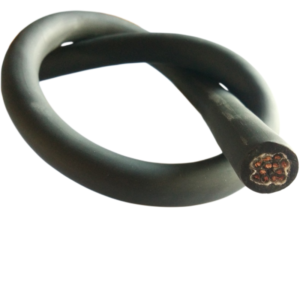
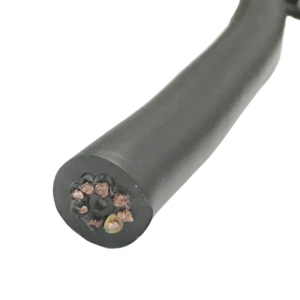
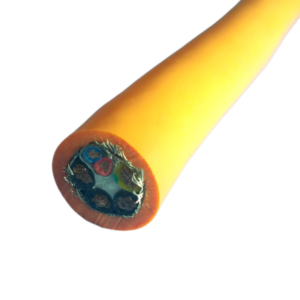
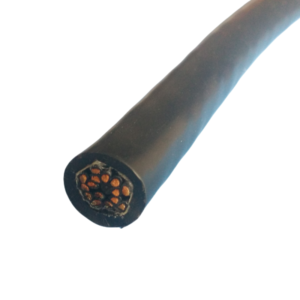
The AY-SIL180 series is a high temperature silicone cable designed for industrial equipment, automation systems, and heat-intensive applications. Its silicone rubber insulation withstands continuous operation up to 180°C, while the flexible, flame-retardant jacket resists cracking, abrasion, and aging under sustained thermal stress. This cable is suitable for ovens, furnaces, motor connections, and control cabinet wiring in demanding industrial environments.
Key Benefits:
✅ Excellent heat resistance up to 180°C continuous, 200°C peak
✅ High flexibility for tight bend radius and repeated flexing
✅ Flame retardant, low smoke jacket for enclosed spaces
✅ Suitable for ovens, robotics, motor drives, and control cabinets
When industrial equipment and automation systems operate in extreme thermal environments, a standard high temperature silicone cable is often the only wiring solution capable of maintaining stable electrical performance without insulation breakdown. Built with premium silicone rubber insulation, this heat resistant silicone cable is engineered for continuous operation in ovens, furnaces, robotics, and motor drive applications, where conventional PVC or rubber cables tend to harden, crack, or lose dielectric strength under sustained heat exposure.
Unlike general-purpose wiring, a high-temp silicone wire is formulated to retain flexibility and insulation integrity across a wide temperature range, making it a preferred choice for engineers designing heat-intensive systems, and for procurement teams sourcing dependable industrial cable that meets international safety standards.
Product Overview
| Attribute | Detail |
|---|---|
| Product Name | High Temperature Silicone Cable |
| Model / Series | AY-SIL180 Series (custom model coding available) |
| Core Attribute | Excellent heat resistance, high flexibility, flame retardant |
| Insulation | Silicone rubber, extruded, uniform wall thickness |
| Jacket | Silicone rubber, abrasion & tear resistant |
| Conductor | Tinned/bare copper, stranded, Class 5/6 flexible |
| Primary Use Case | Industrial equipment and automation systems requiring heat resistant wiring |
Technical Specifications
| Parameter | Specification |
|---|---|
| Rated Voltage | 300/500V – 450/750V (custom voltage available) |
| Operating Temperature | -60°C to +180°C (peak short-term 200°C) |
| Conductor Size | 0.08 mm² – 50 mm² (AWG 28–6) |
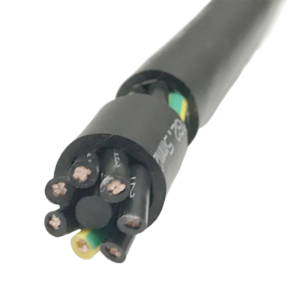
| Core Configuration | Single core to multi-core, 2–24 cores customizable |
| Flame Rating | Self-extinguishing, low smoke option available |
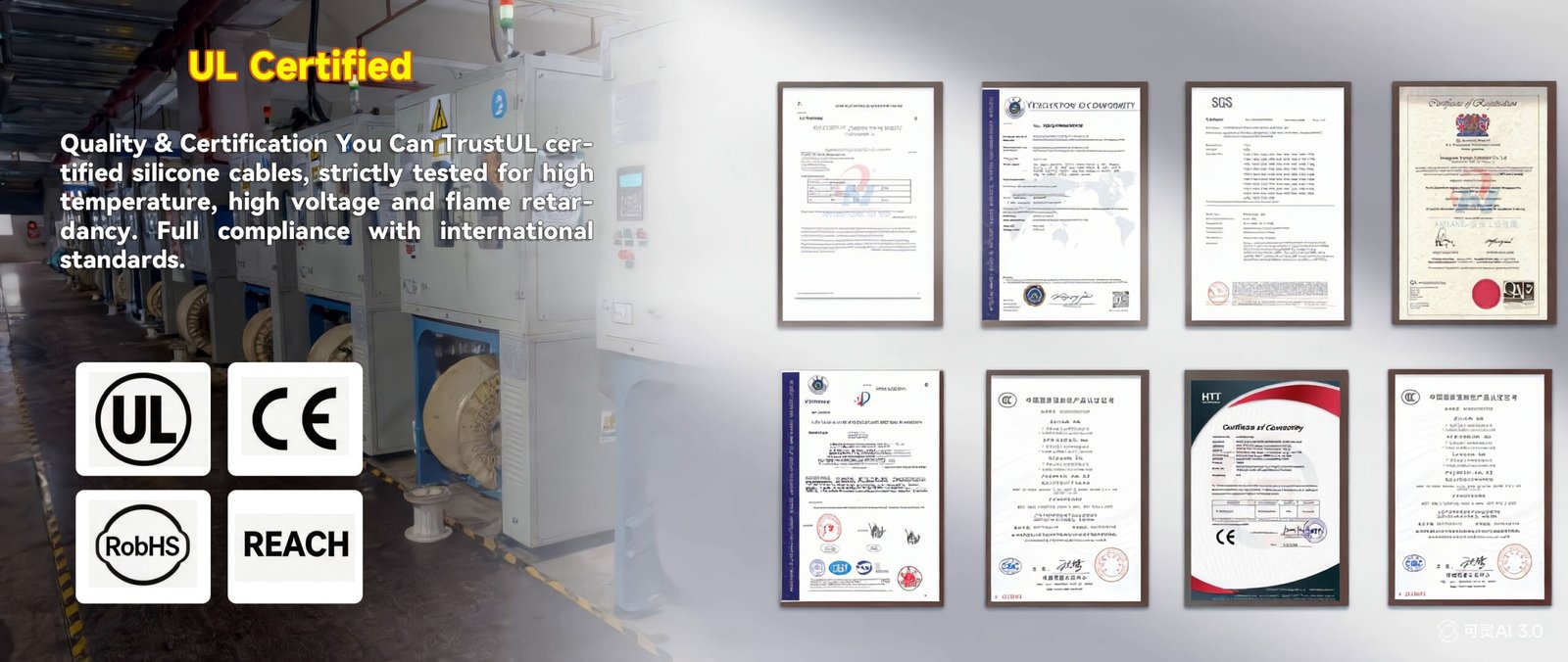
| Certifications | UL 3132 / 3135 / 3512, CE, RoHS, REACH |
| Bend Radius | ≥ 6x cable outer diameter |
| Standard Colors | Red, black, white, transparent, custom colors |
| Packaging | Coil, spool, or custom-length cutting |
Applications & Scenarios
This silicone rubber insulated cable is widely used across industrial and automation environments, including several long-tail application scenarios where standard cable options fall short:
- Industrial ovens and furnace wiring — stable performance under sustained high heat and repeated thermal cycling
- Automation and robotics cabling — flexible cable construction for moving parts located near heat sources
- Servo motor and drive connections — reliable power transmission inside enclosed motor housings
- High-temperature control cabinets — panel-level wiring exposed to elevated ambient temperatures
- Food processing equipment — food-grade silicone compound options available for compliance-sensitive environments
- Lighting fixture wiring — supports high-wattage fixtures generating significant heat
- Power stations and transformer connections — insulation stability under continuous thermal load
- Home appliance heating elements — compact, flexible wiring for compact heat-generating assemblies
Why Choose This High Temperature Silicone Cable
- Excellent heat resistance — rated for continuous use up to 180°C, ensuring insulation integrity where standard cables fail
- High flexibility — soft silicone structure supports tight bend radius and repeated flexing in automation systems
- Flame retardant and low smoke — meets industrial safety requirements for use in enclosed spaces
- Weather and aging resistant — strong resistance to UV, ozone, and oxidation extends service life
- Custom engineering support — tailored conductor size, core count, jacket color, and certification available per project
Manufacturing Authority & Quality Assurance
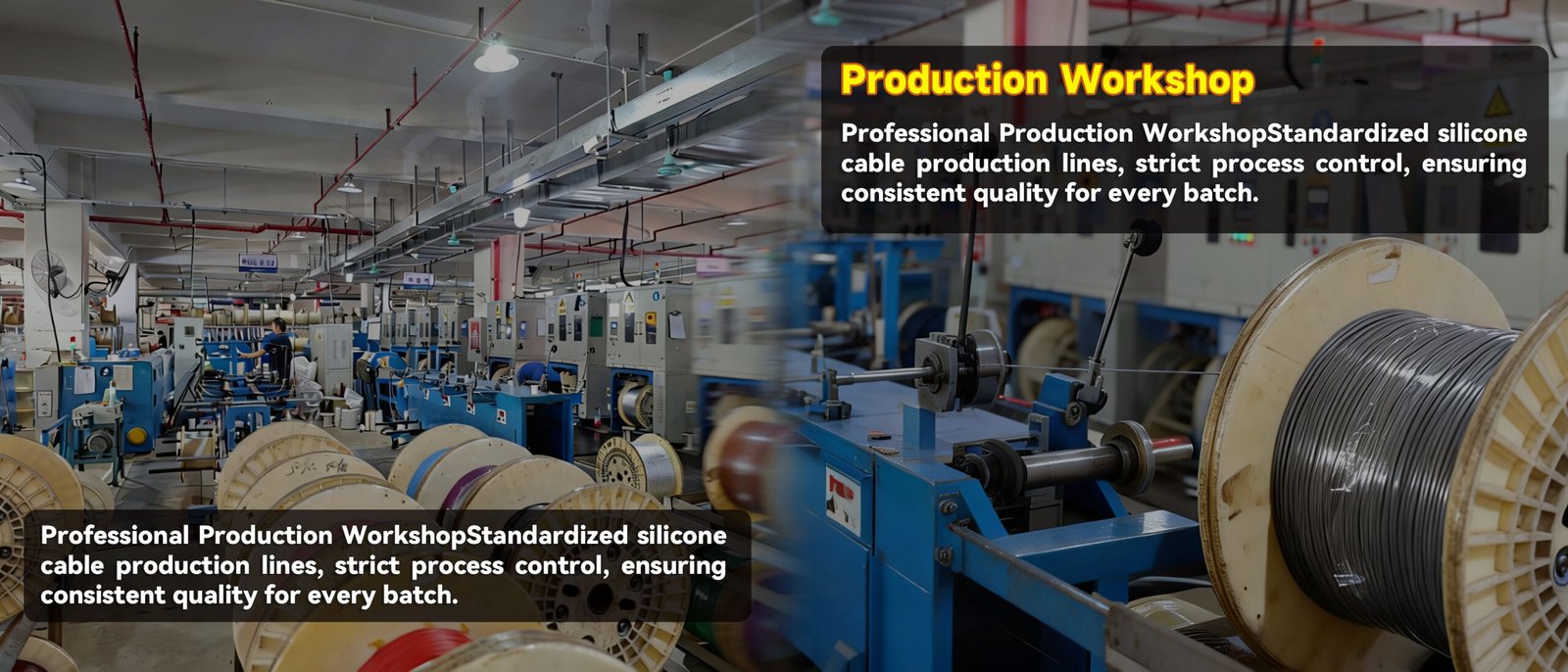
With 20 years of experience manufacturing industrial and automation cables since 2007, our facilities have supplied high temperature silicone cable and related products to customers across 30+ countries. Every batch is verified through an in-house testing laboratory equipped with 30+ testing devices covering 150+ test items, including thermal aging resistance, dielectric strength, and flex-life testing specific to high-heat cable performance.
All products in this line are certified to UL 3132, UL 3135, and UL 3512 standards, along with CE, RoHS, and REACH compliance, supporting export requirements for global automation and equipment manufacturers. Batch-level testing records and material certificates are available on request for customers conducting supplier quality audits.
Material Structure & Design Considerations
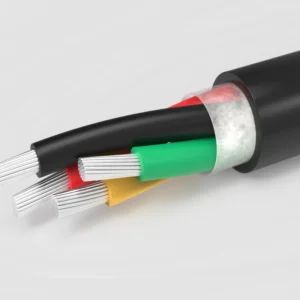
The performance of a high temperature silicone cable depends heavily on the quality of its insulation compound and conductor construction. Our silicone rubber insulation is extruded to a uniform wall thickness around a stranded, flexible-class copper conductor, which reduces the risk of hot spots and ensures consistent dielectric performance across the full length of the cable. The silicone jacket is compounded for additional tear and abrasion resistance, protecting the cable in environments where it may contact metal edges, moving parts, or repeated mechanical stress.
For applications involving continuous flexing — such as robotic arms or automated material handling systems — conductor stranding class and jacket hardness are selected to balance flexibility with mechanical durability, extending service life under repeated bend cycles. Engineers specifying this heat resistant silicone cable for new equipment designs can request flex-life test data and thermal aging curves to validate performance against project requirements before committing to production volumes.
Installation & Handling Recommendations
Proper installation helps maximize the working life of any high-temp silicone wire. We recommend maintaining the specified minimum bend radius during routing, avoiding sharp mechanical contact points, and verifying that connector terminations are rated for the same operating temperature range as the cable itself. In high-vibration or high-cycle automation environments, cable carriers or drag chains with adequate clearance are recommended to prevent premature jacket wear. For outdoor or high-UV installations, the silicone jacket’s inherent weather resistance provides added protection, but additional conduit or shielding may still be advisable depending on site conditions.
Frequently Asked Questions
Q: What is the maximum operating temperature of this high temperature silicone cable? A: It is rated for continuous operation up to 180°C, with short-term resistance up to 200°C, depending on the specific silicone compound used.
Q: Is this cable suitable for food processing equipment? A: Yes, food-grade silicone compound options are available to meet food industry safety compliance requirements.
Q: Can conductor size and core count be customized? A: Yes. Conductor size and core configuration can be tailored based on your technical drawing or application requirement, including voltage rating and certification.
Q: What certifications does this cable carry? A: The product line holds UL 3132/3135/3512, CE, RoHS, and REACH certifications for global market compliance.
Q: What is the standard lead time for samples and bulk orders? A: Sample lead time is typically 7 days, with standard bulk production lead time around 15 days, depending on specification and order volume.
Q: How does this compare to standard PVC insulated cable in high-heat environments? A: PVC cable typically degrades above 105°C, while this heat resistant silicone cable maintains flexibility and dielectric stability up to 180°C, making it more suitable for continuous high-temperature industrial use.
Request a Quote
Looking for a high temperature silicone cable customized to your industrial equipment or automation system specifications? Our engineering team can provide technical consultation, free samples, and a tailored quotation based on your voltage, conductor size, and certification requirements.
[Download Technical Datasheet] · [Request a Free Sample] · [Get a Custom Quote] · [Contact Our Engineering Team via WhatsApp